Mini-Split Error Codes Explained: What to Do Next
A flashing code on the indoor display is the system telling you what it thinks is wrong. This guide explains how ductless error codes work, the faults they most often point to in Pahrump homes, and how to use a code to make a repair call faster and cheaper, sometimes by a whole diagnostic hour.
Mini-Split Repair · Pahrump, NV · Mojave Split Pros
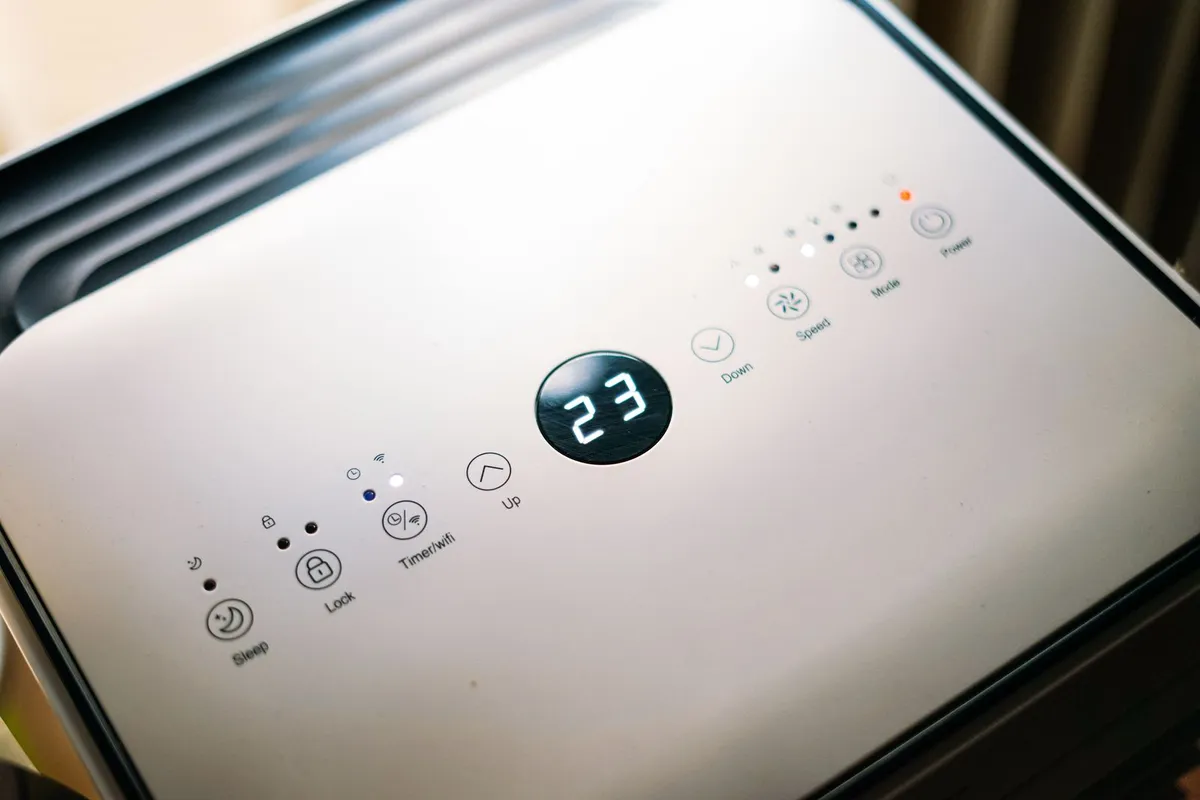
Every major ductless brand has its own code list, and the same letter-number pair can mean different things on a Mitsubishi than on a Daikin. That is why the brand and model matter as much as the code itself. Write the code down exactly as it appears, including any letters, before you switch the system off, because some codes clear from the display when power cycles.
That said, codes cluster around a handful of real faults. Communication errors mean the indoor and outdoor units have stopped talking, usually a wiring, board or power problem. Sensor errors point at a thermistor reading outside its range. Refrigerant-related codes flag low pressure or abnormal discharge temperatures. Drain and float codes mean the condensate safety switch has tripped, and the system has shut down to avoid a flood.
In Pahrump, add two local patterns. Dust-related faults often arrive disguised as airflow or temperature codes, because a choked coil makes sensors read nonsense. And monsoon-season power flickers produce communication codes that sometimes clear with a proper power reset at the breaker, off for a full minute, then back on. If the same code returns after a clean reset, it is real and it is staying.
What to do when a code appears: note the code and the brand, check the filters are not visibly clogged, look for water around the indoor unit, and try one clean power reset. If the code clears and the system runs normally for a day, mention it at your next maintenance visit. If it returns, or the system will not run at all, that is the moment to call.
When you call, lead with the code. A technician who hears the brand and code can often narrow the likely fault to one or two parts, bring the right ones on the truck, and skip the diagnostic wandering that stretches a visit. It is the single most useful thing a homeowner can hand over, more useful than a long description of the noise it made.
What not to do: do not keep resetting a system that trips on the same code, especially anything electrical. Repeated resets can turn a failing part into a failed board, and a board costs several times what the original part did. And do not open the indoor unit's electrical cover to look for the problem; the diagnostic port and board are technician territory, with live voltage present even when the unit appears to be asleep.
Some codes are protective rather than faults. A defrost-related pause in winter, or a drain float doing its job during a clog, means the system protected itself and your walls. The repair in those cases is the underlying cause, the clog, the sensor, the ice, not the code itself.
Keeping a small log helps more than people expect: the date, the code, the weather and what the system was doing. Patterns across three entries tell a technician more than any single visit can, particularly for the intermittent faults that never perform on demand.
Brand differences are worth one more word. Mitsubishi codes lean on letter pairs, Daikin uses its own letter and number combinations, and Fujitsu often reports through blink patterns on the unit's lights rather than a display. The blink count is the code, so count the flashes and note the pattern instead of just saying the light is blinking; the technician will ask.
If the home has several heads on one outdoor unit, note whether the code shows on one head or on all of them. One head points at that head's sensor, fan or drain. All heads at once points at the shared outdoor unit or its power supply. That single observation cuts the diagnosis in half before the visit even starts.
An error code is the system asking for a specific kind of help. Read it, write it down, and pass it on, and you have already done the first step of the repair from your couch, without lifting a single tool or opening a single panel.
Frequently asked questions
Can I fix a ductless problem myself?
Filters, remote batteries and drain checks at the outside termination are fair game. Refrigerant, electrics and anything inside the sealed circuit belong to a technician with gauges and a license to handle refrigerant.
How do I reach a local mini-split technician?
Call +1 (844) 468-2611. Your call goes directly to an independent local technician serving the Pahrump area, and you describe the problem to the person who would do the work.
Where can I read more ductless guides?
More guides are added to this blog over time. The service pages on this site also explain each fault in depth, starting with the main Pahrump mini-split repair page.
If your system is showing any of the symptoms in this guide, call +1 (844) 468-2611 and talk it through with a local technician.
More from the blog
Why a Mini-Split Stops Cooling in Desert Heat
It is the classic Pahrump complaint: the mini-split worked in June, and by the first 112-degree week it runs all day and the room still climbs. Here is what is actually happening inside the system, and which causes you can fix from the ground.
Read the postGet Your Mini-Split Fixed in Pahrump
Tell the technician the brand, the error code and which rooms are affected, and the first visit carries the right parts more often. You reach the receiving provider directly.