Why a Mini-Split Stops Cooling in Desert Heat
It is the classic Pahrump complaint: the mini-split worked in June, and by the first 112-degree week it runs all day and the room still climbs. Here is what is actually happening inside the system, and which causes you can fix from the ground.
Mini-Split Repair · Pahrump, NV · Mojave Split Pros
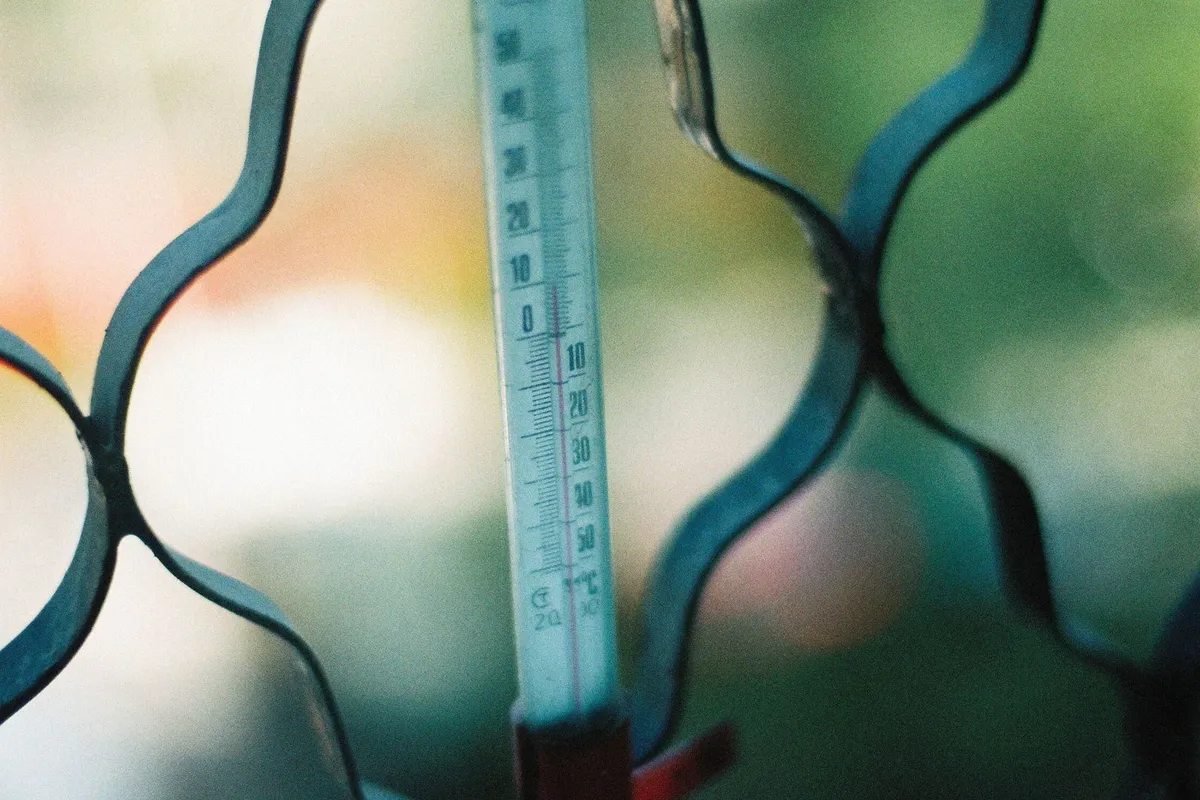
Start with physics. An air conditioner's capacity is rated at a standard outdoor temperature, and as the real temperature climbs past that point, the system moves less heat per hour. A ductless unit sized exactly for a mild climate has nothing in reserve for a Pahrump afternoon, so the first suspect is always whether the system was ever big enough for the room it serves.
The second suspect is airflow. Desert dust loads the indoor filters and the blower wheel, and mats the outdoor coil. Every layer of dust is insulation the system has to work through. A unit that cooled well in May and fades by July is often simply dirty in three places at once, and a deep clean restores more cooling than owners expect.
Third is refrigerant charge. A slow leak at a flare fitting does not announce itself; the system just loses a little capacity each month, and the loss only becomes obvious when the weather demands everything the unit has. Ice on the indoor coil or the refrigerant lines is the tell-tale sign, and it means the system should be switched off and checked rather than run harder.
Fourth, look at the room itself. A west-facing addition with big glass and a dark roof can gain heat faster than any correctly sized single-zone system removes it on the worst afternoons. Blinds, shade and sealing obvious air leaks are not cop-outs; they change the load the system actually faces, and a technician doing a load check will look at them too.
There is also a control possibility: a room sensor reading wrong, a remote left in dry or fan mode, or a system quietly derating because its outdoor unit is baking in reflected heat off a wall or patio slab. Moving stored items away from the outdoor unit and giving it two feet of breathing room costs nothing and sometimes cures the afternoon fade on its own.
What you can do yourself: wash the filters, check the outdoor coil for dust and debris, confirm the remote is in cool mode with the fan on auto, and note whether ice is forming. Those four checks cover the most common causes and give a technician a head start if you call. They also cost nothing but twenty minutes, which is the right first price for any diagnosis.
What needs a technician: anything involving refrigerant pressures, electrical testing or opening the sealed circuit. If the system is clean, correctly set and still falling behind, the answer is in the gauges, and guessing at parts without them gets expensive fast.
The pattern to remember is timing. A system that never cooled the room well is a sizing or installation question. A system that cooled well and faded is a maintenance or charge question. A system that stopped suddenly is an electrical or control question. Each pattern points at a different fix, which is why describing the pattern on the phone matters.
Altitude and sun load deserve a mention too. Pahrump sits at roughly 2,600 feet, and thin desert air carries heat away from an outdoor coil a little less effectively than sea-level air, while unshaded west walls and dark roofs push room loads up. None of this is exotic; it is simply the local math a proper load calculation already includes, and one more reason a system sized from a mild-climate chart can disappoint here.
Finally, remember that a mini-split reports its own struggle if you listen. Longer run times, higher fan speeds held for hours, and a room that reaches the set point later each week are the early chapters of the same story. Caught there, the fix is usually a clean, a charge check or a sensor. Caught at the total failure chapter, it is a much bigger book.
Desert heat does not forgive a struggling system, and a unit working at its limit all day wears faster than one with capacity to spare. Catching the fade early, while it is still a clean, a charge check or a sensor, is the difference between a service visit and a replacement conversation.
Frequently asked questions
Can I fix a ductless problem myself?
Filters, remote batteries and drain checks at the outside termination are fair game. Refrigerant, electrics and anything inside the sealed circuit belong to a technician with gauges and a license to handle refrigerant.
How do I reach a local mini-split technician?
Call +1 (844) 468-2611. Your call goes directly to an independent local technician serving the Pahrump area, and you describe the problem to the person who would do the work.
Where can I read more ductless guides?
More guides are added to this blog over time. The service pages on this site also explain each fault in depth, starting with the main Pahrump mini-split repair page.
If your system is showing any of the symptoms in this guide, call +1 (844) 468-2611 and talk it through with a local technician.
More from the blog
Mini-Split Error Codes Explained: What to Do Next
A flashing code on the indoor display is the system telling you what it thinks is wrong. This guide explains how ductless error codes work, the faults they most often point to in Pahrump homes, and how to use a code to make a repair call faster and cheaper, sometimes by a whole diagnostic hour.
Read the postGet Your Mini-Split Fixed in Pahrump
Tell the technician the brand, the error code and which rooms are affected, and the first visit carries the right parts more often. You reach the receiving provider directly.